

Dark Web Prices List
This guide is for curious individuals seeking to understand dark web pricing and the value of their data.
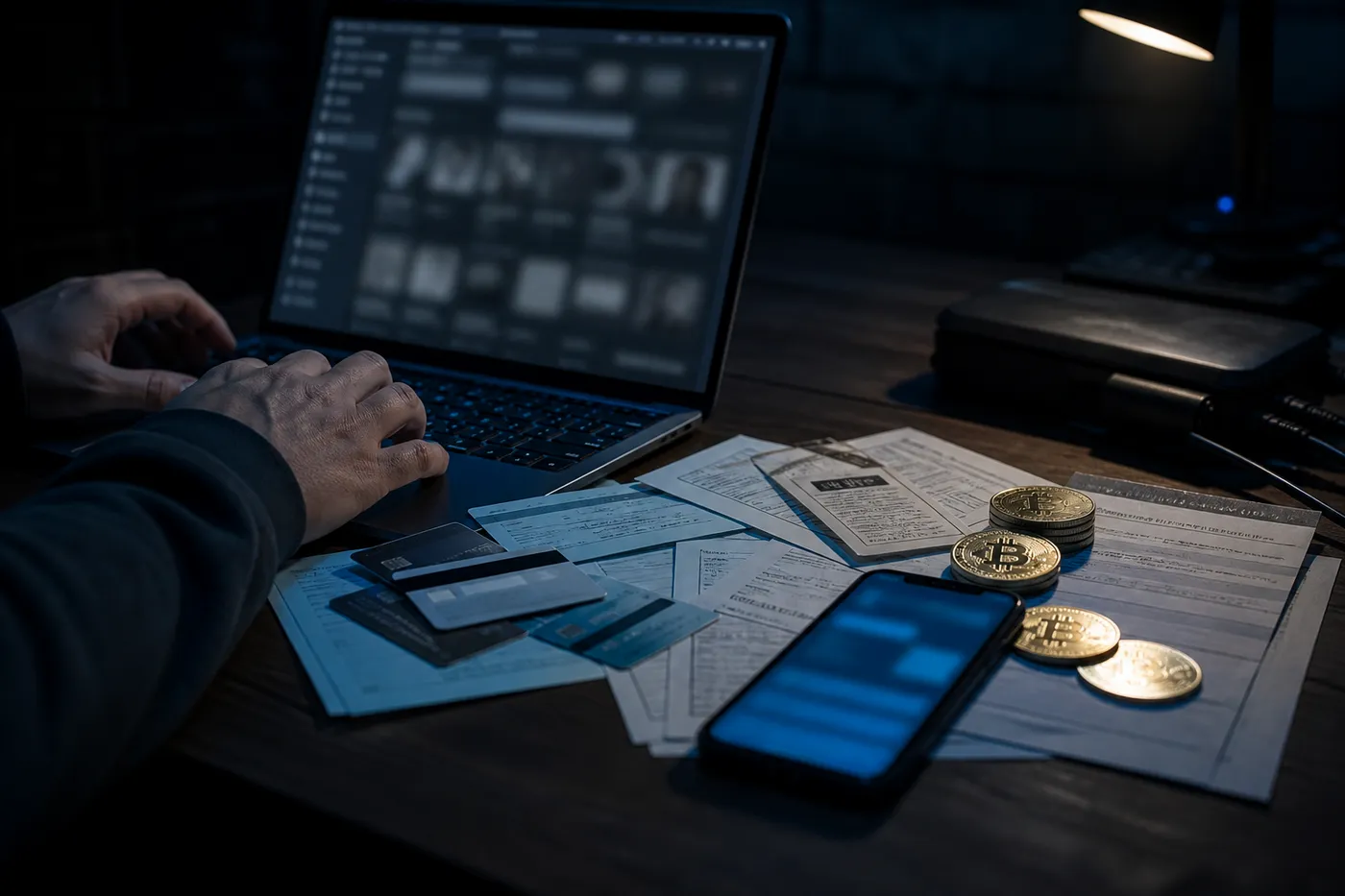
Most people should start with "Dark Web Price Index 2025-2026: Current Market Rates" and "What Your Personal Data Is Actually Worth"—these sections give you concrete numbers (SSNs at $1–$6[1], medical records at $250–$310[1], bank logins up to $1,000+[2]) and explain what criminals actually pay for your information. If you want to understand why prices vary so wildly, read "What Determines Dark Web Prices" and "Regional Price Differences" next. Security professionals and compliance teams will benefit most from "From Data Breach to Dark Web Sale: The Supply Chain" and "How Dark Web Marketplaces Actually Work", which cover escrow mechanics[3] and the breach-to-sale timeline.
What to Look for When Evaluating Dark Web Price Lists
- Source Credibility and Update Frequency
- Check when the data was last collected and whether the source monitors active marketplaces. Prices shift rapidly—lists older than six months often reflect outdated rates that no longer match current demand.
- Geographic and Currency Context
- Verify whether prices are quoted in USD, Bitcoin, or another currency, and whether they reflect US, European, or global markets. A UK credit card typically costs less than a US one due to fraud-detection differences.
- Item Specificity and Condition Details
- Look for breakdowns by card type (Visa vs. Mastercard), account balance, or fullz completeness (SSN, DOB, address). Generic "credit card" listings hide the fact that cards with high limits sell for 10× more than basic ones.
- Inclusion of Service Prices, Not Just Data
- Useful lists cover DDoS-for-hire, ransomware kits, and hacking services alongside stolen credentials. Knowing that a 24-hour DDoS attack costs $200–$400 helps you understand the scale of threats beyond data theft.
- Transparency About Sampling Method
- Check whether the list aggregates prices from multiple forums, vendor shops, or automated scraping. Single-vendor snapshots can skew high or low; cross-marketplace averages give a clearer picture.
- Legal and Ethical Disclaimer
- Reputable sources state clearly that the information is for educational or research purposes and do not link to active marketplaces. Absence of such disclaimers may indicate the list is marketing material for illicit services.
Dark Web Prices Comparison Table
| Item | Price Range (2025-2026) | Price Drivers | Market Type | Payment Methods | Freshness Impact |
|---|---|---|---|---|---|
| U.S. Social Security Number | $1 - $6 | Oversupply from breaches | Dark web marketplaces | Bitcoin, tumblers | Low |
| Fullz Identity Package | $20 - $100 | Data completeness | Dark web marketplaces | Bitcoin, tumblers | Moderate |
| Complete Medical Records | $250 - $310 | High utility in fraud | Dark web marketplaces | Bitcoin, tumblers | High |
| Credit Cards (with balance) | $110 - $120 | Supply flooding | Dark web marketplaces | Bitcoin, tumblers | Moderate |
| U.S. Payment Cards (CVV) | $10 - $40 | Demand for verified cards | Dark web marketplaces | Bitcoin, tumblers | Moderate |
| U.S. Payment Cards (no CVV) | $5 - $10 | Lower demand | Dark web marketplaces | Bitcoin, tumblers | Moderate |
| Coinbase Account | $107 - $250 | Account verification | Dark web marketplaces | Bitcoin, tumblers | High |
| Kraken Account | $1,100 - $1,170 | High balance accounts | Dark web marketplaces | Bitcoin, tumblers | High |
| Corporate Access | $113,275 | High-revenue listings | Dark web forums | Bitcoin, tumblers | Very high |
| Online Bank Login Credentials | $200 - $1,000+ | Account balance | Dark web marketplaces | Bitcoin, tumblers | High |
| Digital Scans of IDs | $30 - $60 | Identity verification bypass | Dark web marketplaces | Bitcoin, tumblers | Moderate |
| AiTM Phishing Kits | $120 - $350/month | MFA-bypass capabilities | Dark web marketplaces | Bitcoin, tumblers | High |
| Infostealer Malware Subscription | $100 - $200/month | Malware utility | Dark web marketplaces | Bitcoin, tumblers | High |
| Single Stealer Logs | $5 - $50 | Data value | Dark web marketplaces | Bitcoin, tumblers | Moderate |
| Basic Stealer Malware | $15+ | Entry-level tools | Dark web marketplaces | Bitcoin, tumblers | Moderate |
Dark Web Price Index 2025-2026: Current Market Rates
Understanding the pricing of data and services on the dark web can be quite revealing. Here’s a comprehensive overview of current market rates for various categories.
| Item | Price Range (2025-2026) | Price Drivers | Market Type | Payment Methods | Freshness Impact |
|---|---|---|---|---|---|
| U.S. Social Security Number | $1 - $6 | Oversupply from breaches | Dark web marketplaces | Bitcoin, tumblers | Low |
| Fullz Identity Package | $20 - $100 | Data completeness | Dark web marketplaces | Bitcoin, tumblers | Moderate |
| Complete Medical Records | $250 - $310 | High utility in fraud | Dark web marketplaces | Bitcoin, tumblers | High |
| Credit Cards (with balance) | $110 - $120 | Supply flooding | Dark web marketplaces | Bitcoin, tumblers | Moderate |
| U.S. Payment Cards (CVV) | $10 - $40 | Demand for verified cards | Dark web marketplaces | Bitcoin, tumblers | Moderate |
| U.S. Payment Cards (no CVV) | $5 - $10 | Lower demand | Dark web marketplaces | Bitcoin, tumblers | Moderate |
| Coinbase Account | $107 - $250 | Account verification | Dark web marketplaces | Bitcoin, tumblers | High |
| Kraken Account | $1,100 - $1,170 | High balance accounts | Dark web marketplaces | Bitcoin, tumblers | High |
| Corporate Access | $113,275 | High-revenue listings | Dark web forums | Bitcoin, tumblers | Very high |
| Online Bank Login Credentials | $200 - $1,000+ | Account balance | Dark web marketplaces | Bitcoin, tumblers | High |
| Digital Scans of IDs | $30 - $60 | Identity verification bypass | Dark web marketplaces | Bitcoin, tumblers | Moderate |
| AiTM Phishing Kits | $120 - $350/month | MFA-bypass capabilities | Dark web marketplaces | Bitcoin, tumblers | High |
| Infostealer Malware Subscription | $100 - $200/month | Malware utility | Dark web marketplaces | Bitcoin, tumblers | High |
| Single Stealer Logs | $5 - $50 | Data value | Dark web marketplaces | Bitcoin, tumblers | Moderate |
| Basic Stealer Malware | $15+ | Entry-level tools | Dark web marketplaces | Bitcoin, tumblers | Moderate |
These prices reflect the current state of dark web markets and can fluctuate based on various factors. For instance, the value of credit cards is influenced by the balance available; cards with higher balances command significantly higher prices. Similarly, the freshness of data, such as medical records or bank logins, impacts their overall value.
This information is crucial for individuals and organisations seeking to understand the implications of data breaches and the potential worth of their personal information. However, keep in mind that these prices can change rapidly, so what’s true today may not hold in a few months.
What Determines Dark Web Prices
Dark web prices fluctuate based on several critical factors, mainly supply and demand dynamics. Freshness of data plays a significant role; for instance, newly breached accounts are usually more valuable than older ones. A U.S. Social Security number, which is abundant due to decades of breaches, sells for only $1 to $6[1]. In contrast, complete identity packages, or "fullz," which include more comprehensive information, range from $20 to $100[2].
Account balance is another vital price driver. High-balance bank accounts can fetch over $1,000, while low-balance accounts may only cost around $200[2]. This disparity reflects the potential for fraud; higher balances offer greater immediate financial gain for criminals.
Geographic origin also influences pricing. U.S. data tends to be more valuable than European or other regions, partly due to differing regulations and fraud detection systems. Verification status matters too; verified accounts on platforms like Coinbase or Kraken command premium prices, with Kraken accounts ranging from $1,100 to $1,170[4].
Market saturation following significant data breaches can lead to rapid price drops. For example, the value of credit cards with balances has decreased from a peak of $240 in 2021 to around $110 to $120 as of 2025[1]. This oversupply reduces individual item value, making it essential for you to stay informed about current trends and market conditions.
Keep in mind that while this overview provides insights into pricing mechanics, the dark web's nature means prices can shift dramatically within short timeframes.
How Dark Web Marketplaces Actually Work
Dark web marketplaces operate as hidden services on the Tor network, requiring the Tor Browser for access. Each marketplace has a changing .onion address to evade law enforcement. You won't find a straightforward website; instead, the structure is more akin to a digital bazaar where anonymity is key.
Transactions typically rely on cryptocurrency, with Bitcoin being the most common choice. Some users also opt for privacy coins to enhance their anonymity. Payment is often facilitated through escrow systems, where the marketplace holds the funds until both parties confirm delivery. This system can involve multi-signature escrow, requiring agreement from multiple parties to release the funds, adding a layer of security to transactions[3].
When it comes to product listings, you’ll find a variety of items ranging from personal data to hacking tools. For instance, a complete identity package can sell for $20 to $100, while more sensitive data, like medical records, can fetch between $250 and $310[2][1]. Vendor ratings play a crucial role too; they help buyers gauge reliability based on past transactions.
Legally, accessing dark web marketplaces isn’t illegal, but buying or selling illegal goods is. It's a grey area, and while you can browse, engaging in transactions can lead to serious legal consequences.
Anonymity is often overstated. While tools are available to help protect your identity, no system is foolproof. You might think you’re invisible, but law enforcement agencies have become increasingly adept at tracking illegal activities online.
This framework suits those looking for illicit goods or personal data. However, the risks involved, including potential scams and legal repercussions, mean you should tread carefully.
Most Expensive vs Cheapest Items on Dark Web
Understanding the pricing dynamics on the dark web reveals a stark contrast between high-value items and those available at commodity prices. For instance, complete medical records can command between $250 and $310 due to their potential for sophisticated insurance fraud[1]. In contrast, a U.S. Social Security number (SSN) sells for a mere $1 to $6, reflecting an oversupply from extensive data breaches over the years[1].
High-value items, such as corporate network access, can start at $1,000 and dramatically rise to average around $113,275, depending on the revenue potential of the targeted company[5]. The premium nature of these items stems from their utility in high-stakes scenarios, where the potential for financial gain is substantial. Medical records, in particular, are sought after for their versatility in committing fraud, making them a lucrative target.
On the other hand, the dark web also features a ‘commodity floor’ for oversupplied data. For example, basic credit cards with CVV codes fetch between $10 and $40, while cards without CVV are even cheaper, at $5 to $10[4]. This price drop is largely due to an influx of stolen data, leading to decreased value. A complete identity package, often referred to as "fullz," typically sells for $20 to $100, again illustrating how the abundance of certain data types affects their market price[2].
In summary, while some items on the dark web can fetch exorbitant prices based on their utility and demand, others remain low-cost due to oversupply. This duality highlights the varying risks and rewards associated with dark web transactions.
From Data Breach to Dark Web Sale: The Supply Chain
Data breaches kick off a rapid supply chain that sees stolen information quickly make its way to dark web marketplaces. Initially, the breach occurs, followed by data extraction, where hackers gather sensitive information. This data is then sold to wholesalers or brokers who bundle it for resale. Finally, it appears in marketplace listings, ready for end buyers.
The timeline for this process can be alarmingly swift. Hot data—such as credit card information or Social Security numbers—can be listed within hours of extraction. For instance, breaches like MOVEit and Change Healthcare demonstrate this speed and scale; they resulted in vast amounts of sensitive data being compromised and quickly circulated on dark web platforms.
Prices for data evolve significantly throughout this chain. A single U.S. Social Security number sells for as little as $1 to $6 due to oversupply from numerous breaches over the years[1]. In contrast, a comprehensive "fullz" identity package, which includes various personal details, can fetch between $20 and $100[2]. Medical records, commanding up to $310, represent the highest-value personal data class, prized for their utility in insurance fraud[1].
As data passes through this supply chain, the potential for profit increases, especially for high-value items like corporate access, which can average around $113,275 in 2025[5]. Understanding this journey helps you grasp the implications of data breaches and the value of your personal information in the dark web ecosystem.
Regional Price Differences and Payment Methods
Prices on dark web markets vary significantly by region. In the United States, a single Social Security number typically sells for $1 to $6, largely due to oversupply from extensive data breaches[1]. In contrast, complete identity packages, or "fullz," which include comprehensive personal information, can fetch between $20 and $100[2]. This pricing trend shows that U.S. data is often more expensive than that from developing countries, where the prevalence of data breaches and lower demand can lead to reduced prices.
European markets also exhibit distinct pricing patterns, particularly for physical documents. For instance, digital scans of U.S. driver's licenses and passports may sell for $30 to $60[1], reflecting the high demand for these items to bypass identity verification systems.
Cryptocurrency dominates payment methods on dark web platforms, with Bitcoin being the most common. However, privacy coins like Monero are gaining traction due to their enhanced anonymity features. By 2025, Bitcoin transactions remain prevalent, often combined with tumblers to obscure transaction trails[6]. This is crucial, as traceability concerns drive users towards more anonymous payment options.
The most common payment methods include:
Bitcoin: Widely accepted, but traceable to some extent.
Monero: Favoured for its privacy features.
Escrow systems: Utilised to protect both buyers and sellers, releasing funds only upon successful delivery[3].
Understanding these regional pricing differences and payment methods is essential for anyone considering transactions on dark web markets. Keep in mind that while the allure of anonymity exists, the risks associated with these transactions are significant.
What Your Personal Data Is Actually Worth
Your personal data has a tangible value on the dark web. Let's break it down. The average cost of a U.S. Social Security number (SSN) ranges from $1 to $6 due to its oversupply from numerous data breaches[1]. If we consider a more comprehensive identity package, known as "fullz," which includes your full name, SSN, date of birth, and address, the price typically falls between $20 and $100[2].
Now, let's calculate a realistic example of your "identity value." Suppose you have:
Email and password combo: $5 to $15
Social media accounts: $5 to $50 each (let's say you have two, so $10 to $100)
Shopping accounts: $10 to $30 each (assuming one account, $10 to $30)
Banking login: $200 to $1,000 (we'll take a conservative estimate of $200)
Medical records: $250 to $310 (if applicable)
Adding these values together gives a possible total ranging from about $475 to $1,655, depending on the specifics of your accounts and data.
Regarding SSN prevalence, it’s notable that many individuals' SSNs are readily available on the dark web, contributing to their low price. This is true if you consider the number of breaches over the years; however, it's crucial to understand that not every SSN is equally valuable. The more unique and less accessible your data, the higher the price it can command.
This overview helps you grasp what your digital footprint is worth without inducing panic. Instead of worrying, consider taking steps to protect your data and monitor for breaches.
How to Check If Your Data Is on the Dark Web
You can check if your data is on the dark web using several practical tools and methods. Here’s how to get started:
Have I Been Pwned: This free service allows you to check if your email address has been involved in a data breach. Simply enter your email, and it will return any breaches associated with it. This tool is user-friendly and ideal for beginners.
Browser Built-in Monitoring: Both Chrome and Firefox offer built-in monitoring features. In Chrome, you can enable “Enhanced Safe Browsing,” which warns you if your passwords have been compromised. Firefox has a similar feature called “Monitor” that alerts you about breaches.
Credit Monitoring Services: Many banks and financial institutions provide credit monitoring services for free or at a low cost. These services notify you of any suspicious activities related to your credit report, which can include new accounts opened in your name.
If you discover that your data has been compromised, take immediate action:
Change Your Passwords: Update passwords for affected accounts and enable two-factor authentication where possible.
Set Fraud Alerts: Contact credit bureaus to place fraud alerts on your credit report. This warns creditors to take extra steps to verify your identity before issuing new credit.
Consider a Credit Freeze: This prevents new accounts from being opened in your name until you lift the freeze.
Regarding data removal, it’s nearly impossible to completely eradicate your data from the dark web. Once it’s there, it can circulate widely. However, mitigation strategies like monitoring and securing your accounts can significantly reduce your risk of fraud and identity theft. This approach is effective, especially if you stay vigilant about your online presence and take proactive measures to protect your information.
Pros and Cons of Dark Web Data Markets
Advantages
- Pricing transparency reveals the actual monetary value of your personal information, helping you understand what's at stake in data breaches.
- Low-cost commodity data like SSNs ($1–$6) indicates oversupply, meaning individual records are less likely to be targeted for sophisticated fraud.
- Multiple free monitoring tools (Have I Been Pwned, browser alerts) make it straightforward to check if your data has been compromised without technical skills.
- Understanding the supply chain from breach to sale empowers you to act quickly when breaches occur, as hot data appears within hours.
Disadvantages
- Complete identity packages (fullz) selling for $20–$100 mean criminals can easily acquire everything needed to impersonate you at minimal cost.
- Medical records commanding $250–$310 make healthcare data breaches particularly damaging, as they enable long-term insurance fraud that's hard to detect.
- Once your data reaches dark web marketplaces, removal is nearly impossible—it circulates indefinitely across multiple platforms and buyers.
- Corporate network access averaging $113,275 in 2025 shows that your employer's breach can be far more lucrative than personal data theft, increasing your indirect risk.
- Cryptocurrency payment methods and escrow systems make dark web transactions increasingly reliable for criminals, reducing friction in the stolen data economy.
Your questions, answered
- How much does it cost to access the dark web?
Accessing the dark web itself is completely free—you only need to download Tor Browser, which is open-source software. Dark web marketplaces operate as hidden services on the Tor network, each with a .onion address that you can visit without paying anything[3]. However, if you want to purchase goods or services once you're there, you'll need cryptocurrency like Bitcoin, and prices vary wildly depending on what you're buying.
- Can police track you on the dark web?
Yes, police can track dark web activity despite the anonymity features of Tor. Law enforcement agencies like the FBI actively monitor darknet marketplaces and have successfully seized numerous platforms over the years[7]. While Tor encrypts your traffic and hides your IP address, mistakes like reusing usernames, poor operational security, or using traceable payment methods can expose you. Even cryptocurrency transactions, particularly Bitcoin, leave a trail that blockchain analysis firms can follow[6].
- How much is personal information worth on the dark web?
Your personal information's value varies dramatically by type. A single U.S. Social Security number sells for just $1 to $6 due to oversupply[1], while a complete identity package (fullz) fetches $20 to $100[2]. Medical records command the highest prices at $250 to $310 because they enable sophisticated insurance fraud[1]. Credit cards with balances up to $5,000 sell for $110 to $120, down 50% from 2020-2021 peaks[1].
- Can you find out if your personal data is on the dark web?
You can check using free tools like Have I Been Pwned, which searches your email against known breach databases, or browser built-in monitoring features in Chrome and Firefox. Credit monitoring services from banks also alert you to suspicious activity. These tools won't scan the entire dark web directly, but they'll tell you if your data appeared in major breaches that typically feed dark web markets. If you discover a compromise, immediately change passwords, enable two-factor authentication, and consider placing fraud alerts with credit bureaus.
- How many people's SSN is on the dark web?
While no exact count exists, the sheer volume is staggering—decades of massive breaches have flooded dark web markets with U.S. Social Security numbers, driving prices down to $1 to $6 per SSN due to oversupply[1]. Major incidents like Equifax (2017, 147 million records) and countless other breaches mean tens of millions of SSNs circulate on dark web platforms. The low pricing itself signals that SSN availability far exceeds demand, suggesting a significant portion of the U.S. population has been compromised at some point.
- Can you remove your information from the dark web?
No, you cannot truly remove your data once it reaches the dark web—it circulates indefinitely across multiple marketplaces, forums, and private channels. Once stolen data is sold, buyers can resell it, and copies spread beyond any single platform's control. Instead of removal, focus on mitigation: monitor for breaches using tools like Have I Been Pwned, freeze your credit to prevent new account openings, enable two-factor authentication everywhere, and set fraud alerts with credit bureaus. These steps won't erase your data, but they significantly reduce the damage criminals can inflict with it.
Bottom Line: What You Should Do
You can't choose whether your data ends up on the dark web—that decision was made the moment a company you trusted got breached. What you can choose is how you respond. Start with free monitoring tools like Have I Been Pwned to check your exposure, then enable two-factor authentication on every account that matters. If you discover a compromise, immediately change passwords and place a credit freeze with all three bureaus—it's free in the U.S. and stops criminals from opening new accounts in your name.
Avoid paying for "dark web removal" services; they can't actually delete your data once it's circulating. Instead, invest time in proactive defence: unique passwords for each account, regular credit report checks, and fraud alerts. If you're curious about how these marketplaces operate, browse our Dark Web Marketplaces List to understand the ecosystem—but never attempt to purchase anything. The real value isn't in knowing dark web prices; it's in using that knowledge to protect yourself before the next breach hits.
Explore More Insights on Dark Web Pricing
Dive into our other articles to enhance your understanding.
Discover MoreNotes
- 1. Dark Web Price Index 2026: How Much Is Your Data Worth? - SOCRadar
- 2. Dark Web Data Pricing 2025: SSNs from $1, Bank Logins $1K+ - DeepStrike
- 3. What Is a Darknet Market? Definition, How They Work & Law Enforcement Guide - Chainalysis
- 4. Dark Web Data Pricing 2026: Verified Prices - Stingrai
- 5. Dark Web Pricing Intelligence Enterprise Risk Signal in 2025-2026 - DarkOwl
- 6. Darknet market - Wikipedia
- 7. A Primer on DarkNet Marketplaces - FBI
Continue with
 Dark Web Marketplaces ListExplore our comprehensive list of dark web marketplaces to find active platforms, tips for safe browsing, and how to access them securely.
 Dark Web Market Place LinksDiscover active dark web marketplace links and essential safety tips for your first visit. Navigate securely with our straightforward guide.